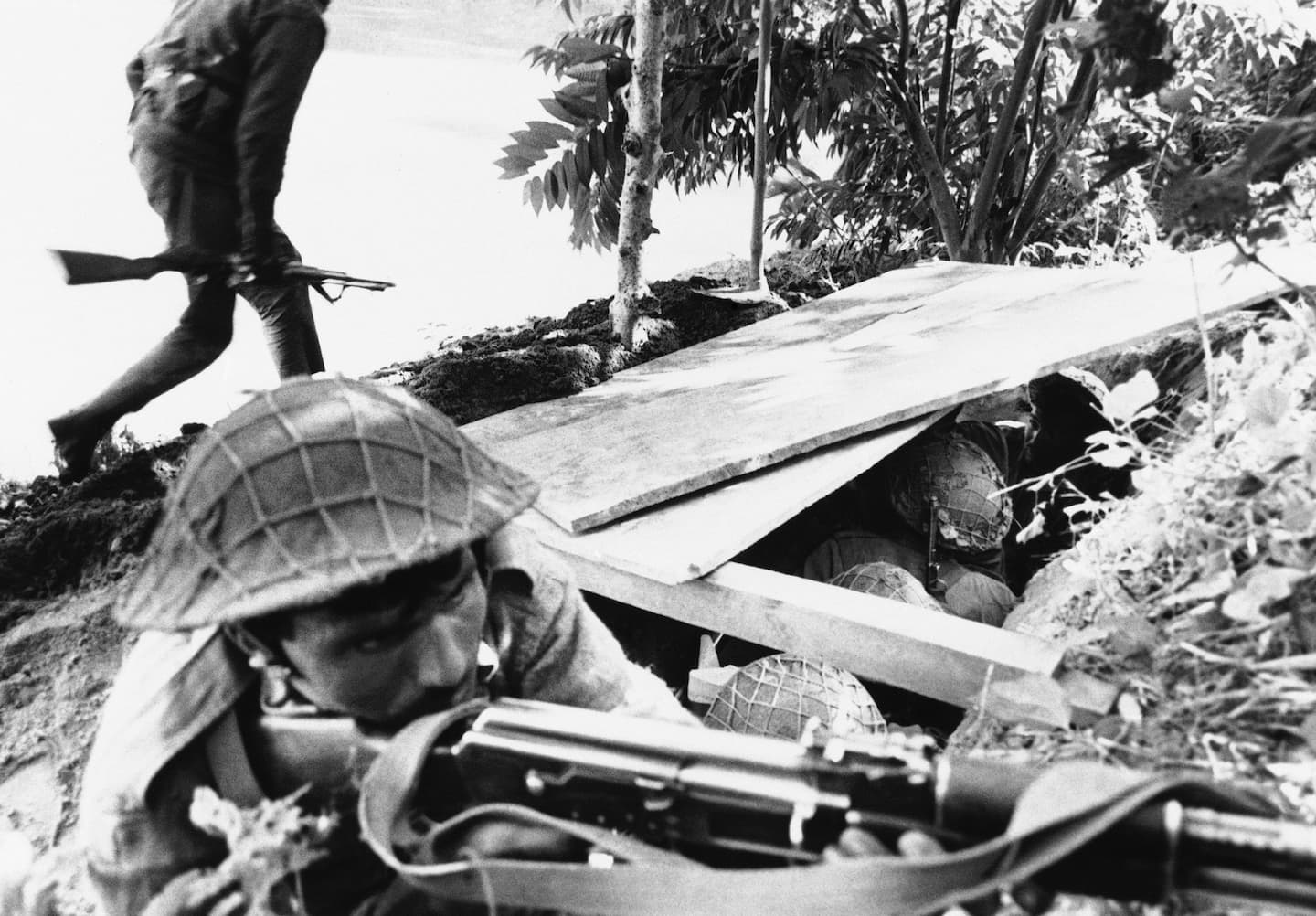


Es muy posible que usted haya leído o escuchado informaciones sobre enfrentamientos armados, atentados terroristas y cruce de acusaciones entre India y Pakistán por lo que ocurre en la región de Cachemira.
¿Qué pasa allá y por qué escribo en el titular que es un conflicto que semeja un barril de pólvora que podría explotar en cualquier momento? Bueno, ya explotó dos veces, en 1947 y 1965, pero entonces ninguno de los dos países tenía armas nucleares. Ahora sí, y esto agrega más peligro a una eventual tercera guerra por ese territorio de 222.590 km² (poco más de cuatro veces la superficie de Costa Rica).
Indios y pakistaníes, que convivieron como parte de la Unión India creada por el Imperio británico, han tenido una coexistencia accidentada desde que terminó el periodo colonial y el subcontinente se dividió en dos países. A las dos guerras por Cachemira hay que agregar una tercera, que libraron en 1971 y que tuvo como principal consecuencia la conversión del Pakistán Oriental en un país independiente que conocemos como Bangladés.
Entonces, la posibilidad de otra contienda bélica no es nada del otro mundo. Es de este.
El fin del control de un potencia colonial sobre un vasto territorio puede dar pie disputas territoriales como producto de fronteras imprecisas e inexistentes en lo que fueron sus dominios. Eso ocurrió en gran parte de América Latina (sin ir muy lejos, recordemos cuántos esfuerzos, tensiones, acuerdos bilaterales, arbitrajes y pleitos judiciales tuvo que librar Costa Rica para definir sus límites con Nicaragua y Panamá).

Y el pleito entre Pakistán e India tiene mucho que ver con lo anterior, pero hay muchos más razones que lo explican.
Vamos paso a paso.
Un país, no. Dos países
Cuando el Mahatma Gandhi encabezó el movimiento de resistencia pacífica para sacudir el yugo colonial sobre la India “británica”, su aspiración y la de otros líderes del Partido del Congreso era constituir un país independiente, laico y pluricultural. Mas esta idea no fue del agrado de la Liga Musulmana, encabezada por Muhamad Ali Jinnha y cuyo objetivo era otro: crear una nueva entidad política –Pakistán– que fuera hogar de los musulmanes, minoría en la Unión India.
Y así fue, y esta partición implicó un masivo desplazamiento de personas: los musulmanes buscando el amparo de Pakistán e hindúes, sijs y otras etnias marchando hacia la nueva India. En total, 14,5 millones de personas moviéndose hacia el otro patio.
En ese 1947 tuvo lugar el primer conflicto armado entre los noveles países emancipados y fue por decidir cuál se quedaba por Cachemira.
India propugnaba (y esa sigue siendo su posición) que Cachemira, donde la población es mayoritariamente musulmana, podía encajar bien dentro de su sistema federal y que las diferencias étnicas no tenían por qué constituir un obstáculo. En India, si bien es verdad que el hinuismo es mayoritario, también coexisten sijs, cristianos, tamiles e inclusive musulmanes. Ello no quiere decir que no haya, de vez en cuando, tensiones.

Pakistán, en cambio, considera natural que si los musulmanes son mayoría en Cachemira y se identifican mejor con el Estado confesional por el cual luchó Jinnah, sea toda suya.
Pero en la disputa hay otros factores concatenados que van mucho más allá de lo religioso y lo cultural. Hay intereses geoestratégicos que ninguna de las dos partes ignora.
No, no es petróleo, ni oro, ni uranio. Hay un recurso natural importantísimo: el agua.
Se los explica Alba Delgado Ramírez, especialista venezolana en Ciencias Políticas: “La región de Cachemira es una cuenca hidrográfica cuya riqueza la convierte en un objetivo fundamental para los dos Estados en conflicto. Cachemira representaría una solución para los problemas de agua que afectan a Pakistán, y es por ello que con ayuda del Banco Mundial, ambos países llegaron a un acuerdo en 1960 sobre la explotación de los ríos que atraviesan la región, a través del Tratado de las aguas del Indo”.
Asimismo, la geografía juega. Toda la Cachemira está encajonada en el norte del subcontinente colindante con Afganistán y China (y naturalmente con los países que se la disputa). Es, por tanto, una especie de cruce de caminos que lleva a varias fronteras y, como ya se dijo, a través de su territorio discurren ríos muy importantes.

India controla 138.430 km² y Pakistán, 84.160 km².
¿Habrá una solución?
Parece difícil soltar el nudo gordiano, luego de 72 años de desconfianza, tensiones, dos guerras e incidentes que a menudo salpican a una y otro lado de la Línea de Control (la frontera informal entre Jammu y Cachemira y Cachemira Azad, establecida en 1949 tras la primera guerra).
Para el Gobierno de Islamabad, el arreglo pasa porque India convoque a un referendo de autodeterminación, con base en resoluciones de la ONU. Nueva Deli se aferra a su criterio de que el carácter laico y pluriétnico de su Estado federal hacen viable que Cachemira viva bajo su paraguas.
En lo que sí están de acuerdo es en rechazar la opción de la independencia de Cachemira, posición que defienden algunos grupos.
Sin una salida que se oteé en el horizonte, la pesadilla de una tercera guerra por ese territorio sigue viva, peor aún cuando los contendientes tienen armamento nuclear.
No pase por alto estos datos: según el Instituto Internacional de Estudios Estratégicos (ISSS), en el 2018 India destinó $58.000 millones para el presupuesto militar; su vecino, $11.000 millones.

Pakistán dispone de entre 140 y 150 ojivas nucleares (además de misiles para transportarlas) e India anda por allí: entre 130 y 140, señala el Instituto Internacional de Estocolmo para la Investigación de la Paz (Sipri).
Los incidentes armados que ocurrieron la semana anterior, que implicaron el derribo de aviones (dos indios y uno pakistaní) recordó al mundo que el de Cachemira es uno de varios focos de tensión que pueden activarse de un momento a otro.
No le pierda el ojo.
Es todo por ahora.